
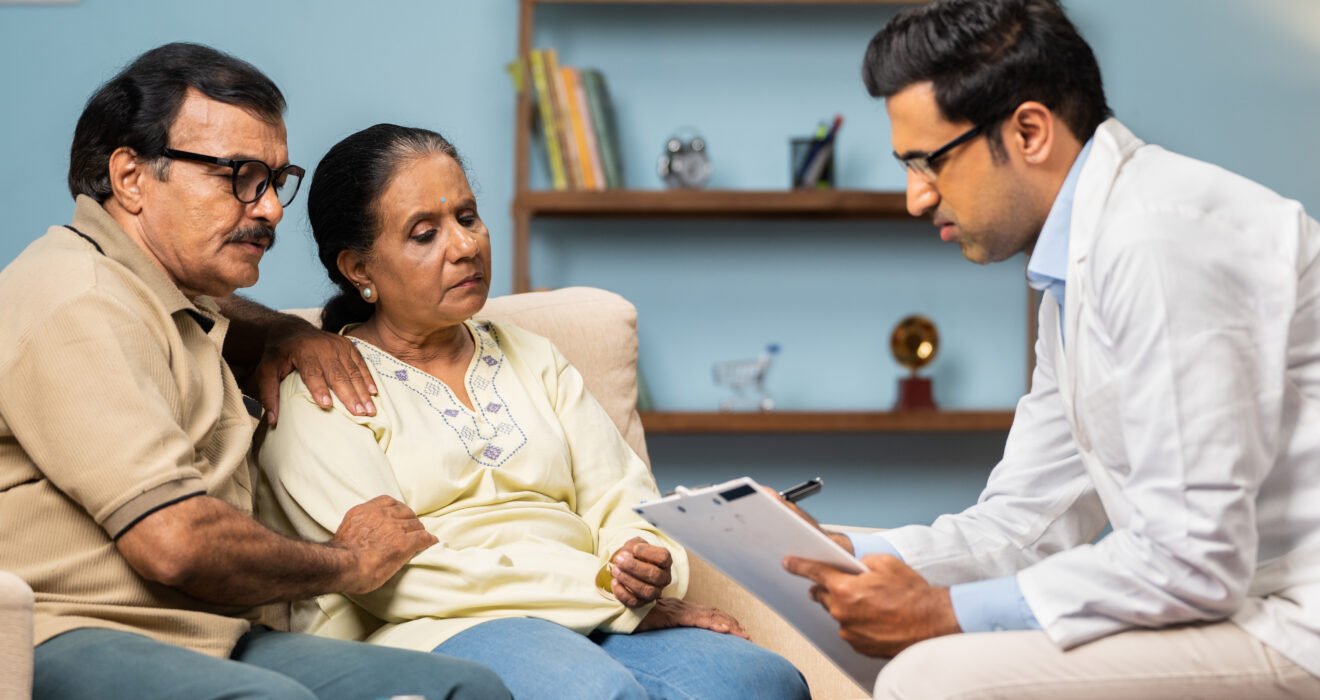
Palliative Care at Home vs Hospital: What Families Should Know
Palliative Care at Home vs Hospital
When a loved one is living with a serious, chronic, or life-limiting illness, families often face a difficult decision: should palliative care be provided at home or in a hospital? Both options can play an important role in patient care, but the right choice depends on the patient’s medical condition, comfort, care requirements, family support, and personal preferences.
Palliative care focuses on improving quality of life by managing symptoms, providing emotional support, and helping patients and families cope with serious illness. For many families, receiving appropriate palliative support at home can provide comfort and familiarity while allowing loved ones to remain close to family members.
What Is Palliative Care?
Palliative care is specialized supportive care for people living with serious or chronic illnesses. Its primary goal is to improve comfort and quality of life rather than focusing only on treating the underlying disease.
Palliative care may help manage symptoms such as pain, breathing difficulties, fatigue, nausea, loss of appetite, sleep problems, and emotional distress. It can also provide support to family members who are involved in the patient’s care.
Palliative care can be provided alongside appropriate medical treatment, depending on the patient’s condition and the advice of healthcare professionals.
Palliative Care at Home: What Does It Mean?
Palliative care at home allows a patient to receive appropriate medical and supportive care in a familiar environment. Depending on individual needs, home-based care may include doctor visits, nursing assistance, medication support, symptom monitoring, personal care, physiotherapy, medical equipment, and emotional support.
For patients who are stable enough to remain at home, this approach can reduce the physical and emotional stress associated with frequent hospital visits.
DearDr provides home-based healthcare services including palliative care, nursing assistance, doctor home visits, physiotherapy support, medical equipment support, and home ICU setup. These services can help families coordinate different aspects of care according to the patient’s requirements.
Palliative Care in a Hospital: What Does It Involve?
Hospital-based palliative care is provided within a medical facility where patients have access to doctors, nurses, diagnostic services, medicines, monitoring, and emergency medical support.
Hospital care may be more appropriate when a patient requires continuous medical supervision, advanced treatment, complex procedures, or management of an unstable condition.
Hospitals can provide immediate access to specialized medical teams and equipment when a patient’s condition requires a higher level of medical intervention.
Palliative Care at Home vs Hospital: Key Differences
The main difference between home and hospital palliative care is the environment in which the care is delivered and the level of medical support immediately available.
At home, patients can remain in familiar surroundings and spend more time with family members. Hospital care provides access to a wider range of medical facilities and continuous clinical supervision.
Neither option is automatically better for every patient. The decision should be based on the patient’s medical condition and the recommendations of the treating healthcare team.
Comfort and Familiar Surroundings
One of the biggest advantages of palliative care at home is that the patient can remain in a familiar environment. Being surrounded by familiar people, belongings, and routines may help some patients feel more comfortable and emotionally secure.
For elderly or mobility-limited patients, avoiding unnecessary travel can also reduce physical strain.
Hospital environments, on the other hand, may be necessary when the patient needs medical monitoring or treatment that cannot safely be provided at home.
Personalized Attention at Home
Home-based palliative care can provide a more individualized care environment. Depending on the care plan, nurses and caregivers can focus on the specific needs of one patient rather than working within a busy hospital environment.
Home care can include assistance with medication schedules, hygiene, mobility, nutrition, positioning, and other daily requirements.
DearDr’s home healthcare approach includes nursing assistance and other supportive services designed to provide care in the patient’s home environment.
Medical Monitoring and Emergency Support
A hospital offers immediate access to medical professionals, diagnostic facilities, medicines, and emergency equipment. This can be especially important when a patient’s condition is unstable or complications develop unexpectedly.
Home-based palliative care can still involve professional monitoring and doctor or nursing visits, but it is important to have an appropriate care plan and clear instructions about what to do if the patient’s condition suddenly worsens.
If a serious medical emergency occurs, families should seek emergency medical attention rather than relying only on routine home-care services.
Managing Pain and Other Symptoms at Home
Pain and symptom management are important parts of palliative care. Patients may experience pain, breathlessness, nausea, weakness, fatigue, anxiety, or difficulty sleeping depending on their condition.
At home, trained healthcare professionals can help families follow the prescribed care plan and monitor changes in symptoms. Medication should always be administered according to the treating doctor’s instructions.
Families should not independently change medication doses or stop prescribed treatment without medical advice.
Emotional Support for Patients and Families
Serious illness affects more than physical health. Patients may experience fear, loneliness, frustration, anxiety, or sadness. Family members can also experience emotional stress while managing long-term care responsibilities.
Home-based palliative care allows patients to remain close to loved ones and can make it easier for family members to participate in everyday care.
Emotional support, companionship, respectful communication, and maintaining the patient’s dignity should remain important parts of the overall care plan.
Role of Nursing Care in Palliative Care at Home
Nursing support can be an important part of home-based palliative care. Depending on the patient’s needs and medical plan, nurses may assist with monitoring, medication administration, wound care, hygiene, mobility, feeding, and other prescribed care activities.
Continuous or 24/7 nursing care may be considered when a patient requires regular supervision and assistance. DearDr also provides nursing assistance as part of its home healthcare services.
When Is Palliative Care at Home a Suitable Option?
Palliative care at home may be suitable when the patient’s condition is sufficiently stable and the required care can be safely delivered outside a hospital.
It may be considered for patients with serious or chronic illnesses who require ongoing symptom management, nursing support, personal care, or assistance with daily activities.
A home-care plan may also be helpful for patients who find frequent hospital travel physically exhausting or stressful.
The decision should always be made in consultation with qualified healthcare professionals.
When Is Hospital Palliative Care More Appropriate?
Hospital-based care may be more appropriate when a patient requires intensive medical monitoring, emergency treatment, advanced procedures, or management of severe symptoms that cannot be safely handled at home.
Sudden changes such as severe breathing difficulty, uncontrolled symptoms, significant bleeding, loss of consciousness, or other serious medical emergencies require immediate medical assessment.
Families should follow the treating doctor’s recommendations regarding when hospital admission or emergency care is necessary.
Benefits of Palliative Care at Home
Palliative care at home can provide several practical and emotional benefits when clinically appropriate. Patients can remain in familiar surroundings, spend more time with family, and avoid unnecessary travel.
Home-based care can also allow families to coordinate nursing assistance, doctor visits, physiotherapy, medication support, and medical equipment according to the patient’s needs.
DearDr’s existing home healthcare services include doctor home visits, nursing assistance, physiotherapy support, medical equipment support, home ICU setup, and palliative care, allowing families to explore different forms of support based on the patient’s requirements.
Benefits of Palliative Care in a Hospital
Hospitals provide access to a broader range of medical facilities and healthcare professionals. This can be particularly valuable when patients require complex medical treatment, continuous monitoring, diagnostic investigations, or emergency intervention.
Hospital care may also be necessary when symptoms cannot be adequately controlled in a home environment or when the patient’s medical condition becomes unstable.
What Families Should Consider Before Choosing Home Palliative Care
Before choosing palliative care at home, families should consider the patient’s current medical condition, required level of nursing support, medication needs, mobility, symptom severity, home environment, and availability of family members.
It is also important to understand whether necessary medical equipment and professional healthcare support are available.
A proper care plan should clearly explain who will provide care, how symptoms will be monitored, what medications are required, and what steps should be taken if the patient’s condition changes.
How to Prepare Your Home for Palliative Care
A safe and comfortable home environment can make daily care easier. The patient’s bed should be positioned in a convenient location where caregivers can provide assistance easily.
Frequently used medicines, medical documents, emergency contact information, and essential supplies should be organized and easily accessible.
If the patient has mobility difficulties, families should also consider fall-prevention measures and appropriate medical equipment based on professional recommendations.
For patients requiring more advanced support, home ICU and medical equipment services may be considered when medically appropriate. DearDr lists home ICU setup and medical equipment support among its healthcare services.
How DearDr Can Support Palliative Care at Home
DearDr provides palliative care as part of its home healthcare services in Kolkata. Its service offerings also include doctor home visits, nursing assistance, physiotherapy support, medical equipment support, ambulance support, and home ICU setup.
This range of services can help families arrange different types of healthcare support according to the patient’s individual needs.
For families considering palliative care at home, professional guidance can help determine what level of medical and supportive care may be appropriate.
Palliative Care at Home vs Hospital: Which Is Better?
There is no single option that is best for every patient. Palliative care at home may provide comfort, familiarity, family involvement, and personalized support when the patient’s condition can be safely managed at home.
Hospital care may be the better option when the patient requires intensive medical supervision, advanced treatment, emergency intervention, or facilities that are not available at home.
In some situations, patients may move between home and hospital care depending on changes in their medical condition. The goal should always be to provide appropriate care while maintaining comfort, dignity, and safety.
Final Thoughts
Choosing between palliative care at home and hospital care can be an emotional and challenging decision for families. The most important consideration should be the patient’s medical needs, comfort, safety, and personal preferences.
For suitable patients, palliative care at home can provide compassionate support in a familiar environment while keeping families closely involved in the care process. When more intensive medical treatment is required, hospital care may be necessary.
With professional guidance, families can develop a care plan that balances medical needs with comfort and quality of life. DearDr’s home healthcare services can support families with palliative care, doctor home visits, nursing assistance, physiotherapy, medical equipment, and other home-based healthcare needs.
Frequently Asked Questions
Is palliative care better at home or in a hospital?
The right setting depends on the patient’s medical condition and care requirements. Home care may be suitable for stable patients who can safely receive the required support at home, while hospital care may be necessary for patients requiring intensive monitoring or advanced medical treatment.
Can palliative care be provided at home?
Yes, palliative care can be provided at home when the patient’s medical needs can be safely managed in that environment. Doctor visits, nursing assistance, symptom monitoring, medication support, personal care, and medical equipment may form part of a home-based care plan.
Does palliative care mean that treatment has stopped?
Not necessarily. Palliative care focuses on comfort and quality of life and can sometimes be provided alongside treatment for the underlying illness. The appropriate approach depends on the patient’s condition and medical plan.
Who needs palliative care at home?
Patients living with serious or chronic illnesses may benefit from palliative care when they require symptom management, nursing assistance, personal care, or ongoing support and can safely remain at home.
Can a nurse provide palliative care at home?
Trained nurses can provide various aspects of prescribed home-based care, including monitoring, medication administration, wound care, hygiene assistance, and other nursing support depending on the patient’s care plan.
When should a palliative care patient go to the hospital?
A patient should receive urgent medical assessment when serious or rapidly worsening symptoms occur. Families should follow the treating doctor’s emergency instructions and seek immediate medical attention when necessary.
Is palliative care at home available in Kolkata?
Home-based palliative care is available through healthcare providers in Kolkata. DearDr lists palliative care, nursing assistance, doctor home visits, medical equipment support, and home ICU setup among its services.