10 Essential Medical Equipment Needed for Home Care After Hospital Discharge
Home Healthcare Equipment
Recovering after a hospital stay can be challenging, especially when patients need continuous monitoring, mobility support, or medical assistance at home. With the right medical equipment, families can create a safer and more comfortable recovery environment while reducing the need for frequent hospital visits.
Home healthcare services are becoming an important part of modern patient recovery, providing medical support, equipment assistance, nursing care, and doctor consultations in the comfort of home. DearDr offers reliable home healthcare solutions, including medical equipment support, home ICU setup, nursing assistance, and doctor home visits to help patients recover safely.
Why Medical Equipment Is Important After Hospital Discharge
After surgery, injury, or treatment for chronic conditions, patients may require specialized equipment to manage daily activities and maintain their health. The right medical devices help improve comfort, support mobility, monitor vital signs, and provide essential care at home.
Before arranging any equipment, it is important to consult with healthcare professionals to understand the patient’s specific requirements.
1. Hospital Bed
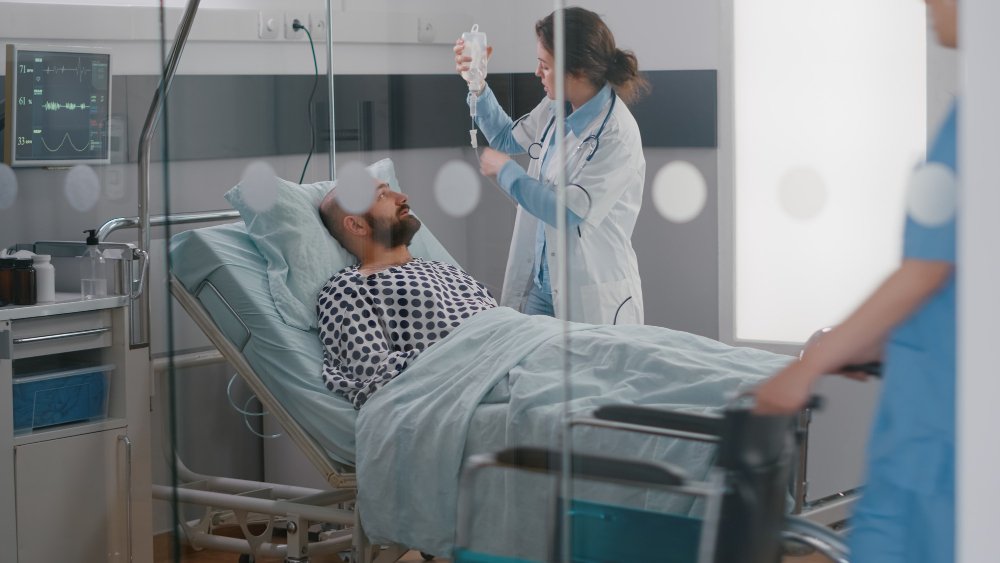
A hospital bed is one of the most important pieces of equipment for patients recovering at home. Unlike regular beds, hospital beds offer adjustable positions that help patients sit, sleep, and move comfortably.
Benefits of a hospital bed include:
- Better patient comfort and positioning
- Reduced risk of pressure sores
- Easier caregiving assistance
- Improved safety for elderly and mobility-limited patients
Adjustable hospital beds with features like elevation and side rails are commonly used for home recovery and long-term care needs.
2. Oxygen Concentrator
Patients with breathing difficulties or low oxygen levels may require oxygen support during recovery. An oxygen concentrator provides supplemental oxygen by extracting oxygen from the surrounding air.
It is commonly used for:
- Respiratory conditions
- Post-COVID recovery
- Chronic lung diseases
- Elderly patients requiring oxygen assistance
Professional guidance is important before using oxygen therapy equipment at home.
3. Wheelchair
A wheelchair helps patients with limited mobility move safely around their home or outside environment. It is especially useful after surgery, injuries, strokes, or for elderly individuals with mobility challenges.
Key benefits include:
- Improved independence
- Safer movement
- Reduced risk of falls
- Easier transportation
Different types of wheelchairs are available depending on the patient’s condition and mobility requirements.
4. Walker and Walking Support Devices
Patients recovering from surgery or injuries often need support while walking. Walkers and mobility aids provide stability and confidence during recovery.
They help patients:
- Maintain balance while walking
- Prevent accidental falls
- Gradually regain mobility
- Perform daily activities independently
5. Nebulizer Machine
A nebulizer converts liquid medicine into a fine mist that can be inhaled directly into the lungs. It is often recommended for patients with respiratory problems.
Nebulizers may help manage:
- Asthma
- Breathing difficulties
- Chronic respiratory conditions
- Chest congestion
Always use medication through a nebulizer only as advised by a doctor.
6. Pulse Oximeter
A pulse oximeter is a small device used to measure oxygen saturation levels and pulse rate. It is useful for monitoring patients who require regular health tracking.
It helps caregivers monitor:
- Oxygen levels
- Heart rate
- Changes in patient condition
Regular monitoring can help families identify warning signs early.
7. Blood Pressure Monitor
Patients with hypertension, heart conditions, or post-surgery recovery needs may require regular blood pressure monitoring.
A home blood pressure monitor allows caregivers to:
- Track blood pressure regularly
- Maintain health records
- Share updates with doctors during follow-ups
8. Suction Machine
A suction machine is used to remove secretions from the airway for patients who have difficulty clearing mucus or respiratory fluids.
It may be required for patients with:
- Critical care needs
- Neurological conditions
- Tracheostomy care
- Severe respiratory problems
Proper training is essential for safe usage.
9. Commode Chair and Bathroom Safety Equipment
Patients with limited movement may find it difficult to use regular bathroom facilities. Bathroom safety equipment improves comfort, dignity, and independence.
Common equipment includes:
- Commode chairs
- Grab bars
- Shower chairs
These solutions help prevent falls and make daily care easier.
10. Patient Monitoring Devices
Modern healthcare technology allows families to monitor important health parameters at home. Devices such as digital thermometers, glucose monitors, and other health monitoring tools help track patient progress.
Regular monitoring supports better communication between patients, caregivers, and healthcare professionals.
How to Choose the Right Medical Equipment for Home Care?
Selecting the right equipment depends on:
- Patient’s medical condition
- Doctor’s recommendations
- Duration of recovery
- Home environment
- Caregiver availability
It is always recommended to choose reliable healthcare providers who can guide you about equipment selection, installation, and maintenance.
Why Choose DearDr for Medical Equipment Support?
DearDr provides professional medical equipment support to help patients receive safe and comfortable care at home. From hospital beds and mobility aids to respiratory equipment and home ICU setup support, DearDr focuses on providing reliable healthcare solutions according to individual patient needs.
With doorstep delivery, equipment setup assistance, and dedicated healthcare support, DearDr helps families manage recovery with confidence.
Final Thoughts
Proper medical equipment plays a vital role in creating a safe recovery environment after hospital discharge. Whether it is a hospital bed for comfort, oxygen support for breathing assistance, or mobility equipment for daily activities, the right solutions can improve patient care and recovery.
If your loved one needs medical equipment support or home healthcare assistance after hospital discharge, contact DearDr today for trusted and professional healthcare solutions at home.