
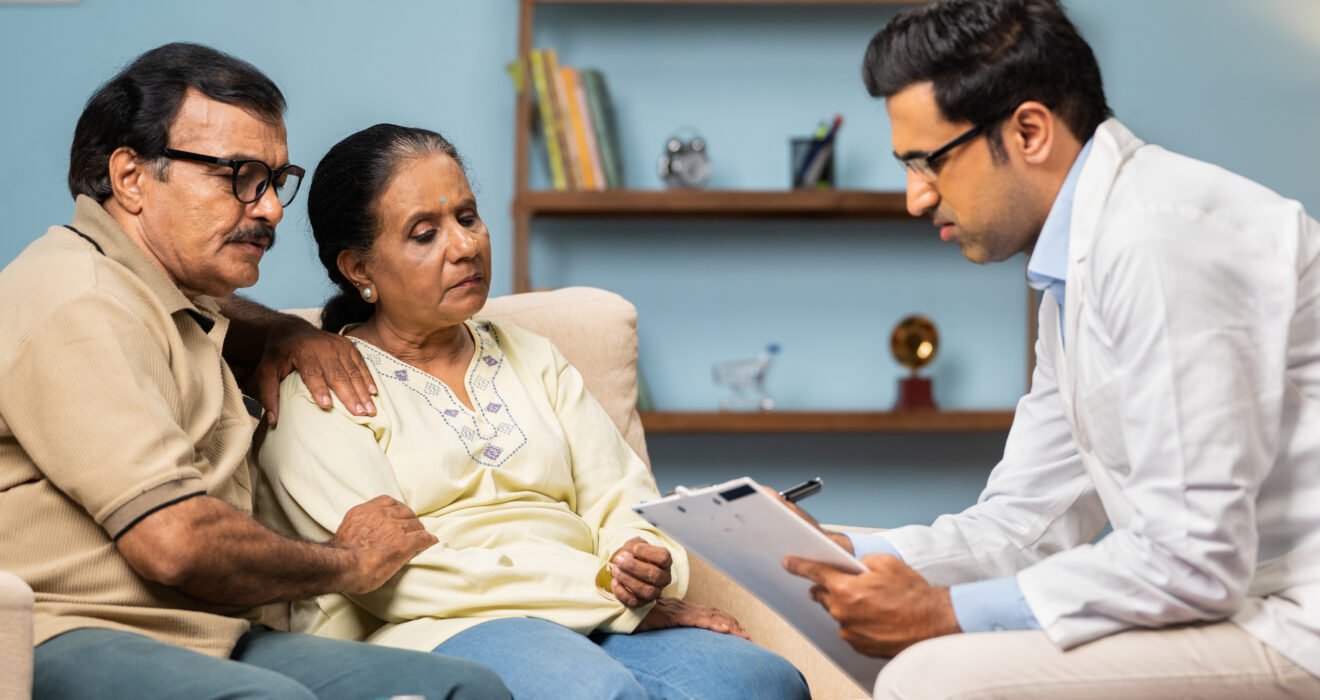
How to Prepare for a Doctor’s Home Visit: A Complete Checklist for Patients
Doctor Home Visit Preparation Kolkata
Getting medical attention should not always require travelling to a hospital or clinic. For elderly individuals, patients with mobility difficulties, people recovering from surgery, and families with busy schedules, a doctor’s home visit can be a convenient healthcare option.
With doctor home visit services becoming increasingly accessible in Kolkata, patients can receive medical consultations in the comfort of their homes. However, preparing properly before the doctor arrives can make the consultation more organised and productive.
Whether you are booking a general physician for a routine check-up or arranging a consultation for an elderly family member, knowing what to keep ready can help you make the most of the appointment.
In this guide, DearDr explains how to prepare for a doctor’s home visit, what medical documents to arrange, which questions to ask, and what to expect during the consultation.
1. Confirm Your Doctor’s Appointment Details
Before the scheduled visit, confirm all the important appointment details with your healthcare service provider.
Make sure you have:
- Confirmed appointment date and time.
- Doctor’s name and consultation details, if provided.
- Complete residential address and nearby landmark.
- Contact number for appointment-related communication.
- Information about the patient’s medical concern.
- Details about consultation charges and applicable services.
If the patient lives in a gated apartment or a building with restricted entry, share the necessary access instructions beforehand.
For patients in Kolkata, confirming the locality and appointment arrangements can help avoid unnecessary delays.
2. Keep Previous Medical Records and Prescriptions Ready
One of the most important preparations is organising the patient’s medical history.
Previous medical records help doctors understand existing health conditions, previous treatments, and ongoing healthcare requirements.
Keep the following documents available:
- Previous doctor’s prescriptions.
- Recent blood test and diagnostic reports.
- Hospital discharge summaries.
- Medical imaging reports, if relevant.
- Details of previous surgeries or treatments.
- Records of ongoing medical conditions.
If you have digital reports, keep them accessible on your phone or computer.
Organising these documents in one folder can save time and help the doctor review relevant medical information during the consultation.
3. Prepare a List of Current Medications
Patients managing multiple health conditions may take several medicines throughout the day.
Before the doctor arrives, prepare an updated medication list containing:
- Medicine names.
- Prescribed dosage.
- Frequency and timing.
- Duration of medication, where applicable.
- Known medicine allergies or previous adverse reactions.
- Vitamins, supplements, and non-prescription medicines.
You can also keep the original medicine packaging available if you are unsure about a particular medicine’s name or dosage.
This information can help the doctor review the patient’s existing medication routine and identify whether any changes or further evaluation are necessary.
Important: Never stop, increase, or change prescribed medicines without consulting a qualified healthcare professional.
4. Note Down the Patient’s Symptoms and Health Concerns
During a medical consultation, patients sometimes forget important details about their symptoms.
Preparing a short symptom diary before the visit can help communicate the problem more clearly.
Consider noting:
- When the symptoms first appeared.
- Whether the symptoms are improving or worsening.
- How frequently they occur.
- Whether anything makes them better or worse.
- Whether the patient has experienced similar symptoms previously.
- Any associated symptoms, such as fever, weakness, dizziness, or pain.
If the patient has been monitoring blood pressure, blood sugar, or temperature, keep the recent readings with their dates and times.
Accurate information helps the doctor understand the patient’s condition and decide on appropriate next steps.
5. Prepare a Comfortable Space for the Consultation
A doctor’s home visit does not require a hospital-like setup. However, preparing a clean, quiet, and comfortable space can make the examination easier.
Here are some simple arrangements:
Choose a well-lit area: Ensure sufficient lighting so the doctor can examine the patient comfortably.
Keep the space clean: Arrange a clean chair or bed, depending on the patient’s mobility and examination requirements.
Provide sufficient privacy: Avoid unnecessary interruptions during the consultation.
Keep essential items nearby: Have medical reports, prescriptions, and relevant monitoring records within reach.
Ensure easy access: Keep the pathway clear, particularly when the patient uses a wheelchair, walker, or other mobility aid.
For elderly or bedridden patients, arrange the consultation space according to their comfort and physical requirements.
6. Prepare Questions You Want to Ask the Doctor
A home consultation is an opportunity to discuss health concerns and understand the next steps in treatment.
Writing down questions beforehand ensures that important concerns are not overlooked.
Here are some questions patients and caregivers can consider:
- What could be causing the current symptoms?
- Are additional diagnostic tests required?
- Should any existing medication be reviewed?
- What precautions should the patient follow at home?
- Are there any dietary or lifestyle recommendations?
- When should the next consultation take place?
- Which symptoms would require immediate medical attention?
Do not hesitate to ask the doctor to explain medical instructions in simple language.
Understanding the treatment plan is important for patients as well as family members responsible for their care.
7. Keep Essential Medical Equipment Available, If Required
Depending on the patient’s condition, certain basic medical equipment may be useful during a home consultation.
These may include:
- Digital thermometer.
- Blood pressure monitor.
- Pulse oximeter.
- Blood glucose monitoring device, if prescribed or recommended.
- Any patient-specific medical equipment already being used.
You do not need to purchase every device before a routine doctor visit.
Keep only the equipment relevant to the patient’s existing healthcare requirements. If the doctor needs additional diagnostic equipment, discuss the arrangements with the service provider beforehand.
8. Involve a Family Member or Caregiver When Necessary
Having a family member or caregiver present can be helpful, especially when the patient is elderly, has memory difficulties, or requires assistance with daily activities.
A caregiver can help by:
- Sharing the patient’s medical history.
- Explaining changes in daily health conditions.
- Providing information about medication routines.
- Helping the patient communicate concerns.
- Understanding the doctor’s instructions.
- Coordinating follow-up appointments.
However, the patient’s preferences and privacy should always be respected. The patient should be given the opportunity to speak directly with the doctor whenever possible.
9. Understand What Happens During a Doctor’s Home Visit
A typical doctor home visit may involve several steps, depending on the patient’s condition and the type of consultation.
Initial Discussion
The doctor discusses the patient’s symptoms, medical history, current medication, and reason for requesting the visit.
Physical Examination
The doctor performs an appropriate examination based on the patient’s health concerns.
This may include checking blood pressure, pulse, temperature, respiratory rate, or other relevant clinical parameters.
Medical Advice and Treatment Planning
After evaluating the patient, the doctor may recommend medication, lifestyle changes, further diagnostic investigations, or specialist consultation.
Follow-Up Recommendations
If required, the doctor may suggest a follow-up appointment or additional medical monitoring.
The exact services provided depend on the doctor’s assessment and the patient’s medical requirements.
10. What Should You Do After the Doctor’s Visit?
Preparing for the consultation is important, but following the doctor’s recommendations afterwards is equally essential.
After the visit:
- Read the prescription carefully.
- Follow the prescribed medication schedule.
- Arrange recommended diagnostic tests.
- Keep track of relevant symptoms and health readings.
- Follow dietary and lifestyle instructions.
- Schedule follow-up consultations when advised.
- Contact the healthcare provider if you need clarification about the prescribed instructions.
If symptoms worsen or an unexpected reaction occurs, seek appropriate medical advice promptly.
Remember: A home consultation is not a substitute for emergency hospital treatment. Severe chest pain, significant breathing difficulty, unconsciousness, stroke symptoms, or other serious emergency signs require immediate emergency medical assistance.
Complete Checklist Before a Doctor’s Home Visit
Use this checklist to make sure everything is ready before the appointment.
Appointment Details
- Appointment date and time confirmed.
- Doctor’s contact or booking details available.
- Complete address and access instructions shared.
Medical Information
- Previous prescriptions arranged.
- Recent diagnostic reports collected.
- Current medication list prepared.
- Known allergies documented.
- Symptoms and health concerns written down.
Home Preparation
- Clean and comfortable consultation space arranged.
- Proper lighting and seating available.
- Essential medical equipment kept ready, if required.
- Family member or caregiver informed, if necessary.
Consultation Preparation
- Important questions written down.
- Recent health readings available, if applicable.
- Follow-up arrangements understood.
With these preparations, patients and caregivers can make the consultation more organised and ensure that important medical information is readily available.
Book a Doctor Home Visit in Kolkata with DearDr
Managing health concerns becomes easier when professional medical assistance is accessible at home.
DearDr aims to make healthcare more convenient by connecting patients with medical professionals and providing healthcare support at their doorstep.
Whether you need a doctor for a general consultation, assistance with an elderly family member, or medical guidance for someone with limited mobility, DearDr offers healthcare services designed around patient convenience.
Our services include:
- Doctor Home Visits.
- Pathological Assistance.
- Medicines at Home.
- Tele-Medication.
- Nursing Assistance.
- Physiotherapy Support.
- Ambulance Support.
- Home ICU and Medical Equipment Support.
If you or your family member needs a doctor at home in Kolkata, get in touch with DearDr to enquire about appointment availability and suitable healthcare services.
Book your doctor home visit today and experience convenient healthcare at your doorstep.
Visit: https://deardr.in/
Call: +91 9088334009
Email: info@deardr.in
Frequently Asked Questions (FAQs)
1. What should I keep ready before a doctor’s home visit?
Keep previous medical records, current prescriptions, a list of medicines, recent diagnostic reports, and details of the patient’s symptoms ready. Also, arrange a comfortable space for the consultation.
2. Can I book a doctor home visit for elderly patients?
Yes. Doctor home visits can be particularly convenient for elderly individuals who experience mobility difficulties or find travelling to clinics uncomfortable. The suitability of a home consultation depends on the patient’s medical condition.
3. Can a doctor conduct a general health check-up at home?
Depending on the doctor’s services and the patient’s requirements, a home consultation may include a medical history review, physical examination, and basic health assessments. Additional tests may be recommended when necessary.
4. Should I keep previous blood test reports ready?
Yes. Previous blood test reports and other relevant diagnostic records can help the doctor understand changes in the patient’s health and evaluate existing medical concerns.
5. Can diagnostic tests be arranged after a doctor’s home consultation?
Depending on the tests required and service availability, patients may be able to arrange diagnostic assistance through home sample collection services. DearDr also provides pathological assistance.
6. Is a doctor’s home visit suitable for emergency medical conditions?
No. A routine home consultation should not delay emergency medical treatment. Patients experiencing severe symptoms, such as chest pain, serious breathing difficulties, unconsciousness, or stroke symptoms, should receive immediate emergency medical assistance.
7. How can I book a doctor home visit in Kolkata through DearDr?
You can visit the DearDr website or contact the team at +91 9088334009 to enquire about doctor home visit appointments and available services in your area.
Conclusion
A doctor’s home visit can make healthcare more accessible and convenient, particularly for elderly individuals, patients with mobility challenges, and people who require medical attention at home.
By keeping medical documents organised, preparing a symptom list, arranging current prescriptions, and preparing a comfortable consultation space, patients can make better use of their appointment.
At DearDr, we believe healthcare should be accessible, convenient, and centred around patient needs.
Your health matters. Get the right medical attention without unnecessary travel with DearDr’s doctor home visit services in Kolkata.
