How to Set Up Home Medical Equipment After Hospital Discharge: A Family Checklist
Home Medical Equipment Setup
Bringing a loved one home after hospitalisation can be an important milestone in the recovery journey. However, when the patient requires medical equipment, careful preparation is necessary to make the transition as smooth and safe as possible.
Depending on the patient’s condition, the healthcare team may recommend equipment such as an adjustable hospital bed, oxygen equipment, a patient monitor, a suction machine, or mobility aids. Having the correct equipment available is only one part of the process. Families must also understand where it should be placed, how it should be used, and whom to contact if a problem occurs.
A well-organised home medical equipment setup can help caregivers prepare the living environment, coordinate professional assistance, and follow the patient’s discharge instructions more confidently.
In this guide, DearDr explains the essential steps families should consider when arranging medical equipment after hospital discharge.
1. Review the Hospital Discharge Instructions First
Before arranging any medical equipment, carefully review the patient’s discharge summary and instructions from the treating healthcare team.
Not every patient needs specialised equipment at home. The requirements depend on the diagnosis, mobility, respiratory needs, level of supervision, and expected recovery process.
Confirm the following details with the treating doctor or discharge team:
- Which medical equipment is required?
- Is the equipment needed temporarily or for long-term care?
- Does the patient require professional nursing assistance?
- Is continuous monitoring or respiratory support necessary?
- Does the equipment require installation by a trained technician?
- What should the family do if the equipment stops working?
- Are follow-up consultations or equipment reviews required?
Write down the answers and keep them with the patient’s medical records.
Important: Do not purchase, rent, discontinue, or change prescribed medical equipment without appropriate professional guidance.
2. Prepare the Room Before the Equipment Arrives
The room should be ready before the patient returns home, particularly if the equipment is large, requires installation, or needs access to electrical power.
Choose a room that provides sufficient space for the patient, caregiver, and necessary medical equipment.
Check the available space
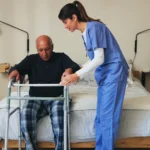
Ensure there is enough room around the bed for caregivers to assist with positioning, personal care, and transfers. If a wheelchair or walker is required, keep the pathways wide and free from obstacles.
Check electrical access
Identify suitable electrical outlets for equipment that requires power. Avoid overloaded extension boards and trailing cables that could create trip hazards.
Ask the equipment provider or qualified technician whether dedicated electrical arrangements or backup power are necessary.
Maintain a clean environment
Keep the room organised and ensure that frequently used supplies are easy to access. Follow the cleaning and infection-control instructions provided by the healthcare team.
Ensure safe access
Choose a location that allows caregivers to reach the patient easily. Keep doors, corridors, and emergency exit routes unobstructed.
If the patient requires several medical devices, ask the healthcare provider to assess the room layout before installation.
3. Confirm That the Correct Equipment Has Been Arranged
The equipment supplied should match the patient’s prescribed needs.
Depending on the care plan, the family may need one or more of the following:
Hospital bed
An adjustable hospital bed can help with positioning and make certain caregiving tasks easier. Confirm that the bed operates correctly and that its controls, brakes, and safety features are understood by the responsible caregiver.
Oxygen equipment
Patients who have been prescribed supplemental oxygen may require an appropriate oxygen concentrator or another oxygen delivery system.
The treating clinician should specify the oxygen requirements. The family must understand the prescribed settings, operating instructions, and emergency arrangements.
Oxygen equipment should be kept away from smoking, open flames, and other ignition sources.
Patient monitoring equipment
Depending on the care plan, monitoring devices may be used to measure parameters such as oxygen saturation, pulse rate, or blood pressure.
Caregivers should understand how to use the device correctly and when a reading requires medical attention. A monitor does not replace clinical assessment.
Mobility aids
Wheelchairs, walkers, commodes, and other mobility aids may be useful for patients who have difficulty moving independently.
The equipment should be suitable for the patient’s physical abilities, home layout, and transfer requirements.
Other specialised equipment
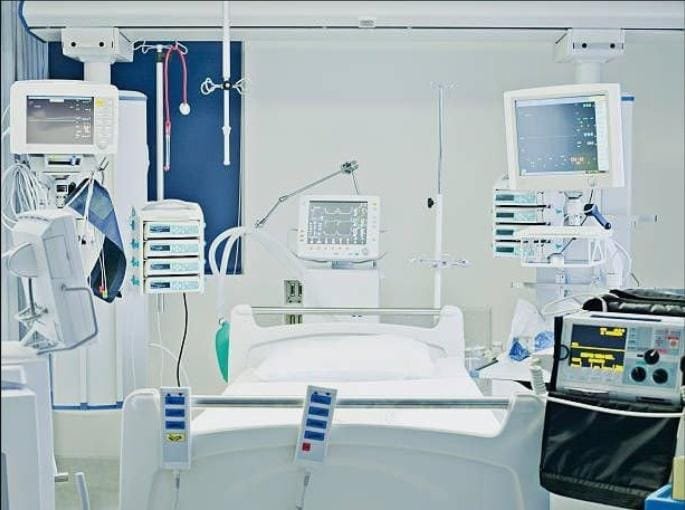
Patients requiring more complex care may need additional equipment, such as suction machines, infusion pumps, or ventilators.
These devices require appropriate clinical assessment, installation where necessary, and training for the people responsible for their use.
DearDr provides medical equipment support and Home ICU setup for patients whose medical requirements call for these services.
4. Arrange Professional Delivery and Installation
Medical equipment should be delivered and installed according to the manufacturer’s instructions and the patient’s care requirements.
Before accepting the setup, families should confirm:
- The supplied equipment matches the requested model and specifications.
- The equipment is clean and in appropriate working condition.
- Required accessories and connections are available.
- The device powers on and completes any required operational checks.
- Alarms and safety features are checked where applicable.
- The caregiver knows whom to contact for technical assistance.
- Any installation or service documentation is provided.
For complex devices, installation and operational checks should be performed by appropriately trained personnel.
Do not attempt to repair medical equipment or modify electrical and medical connections yourself.
5. Learn How to Operate the Equipment Safely
Equipment should not be considered ready for use simply because it has been delivered.
The family or designated caregiver should receive instructions relevant to the specific device and the patient’s care plan.
Training may include:
- Turning the device on and off correctly.
- Understanding the main controls and indicators.
- Following prescribed settings.
- Recognising alarms and warning messages.
- Cleaning external surfaces according to instructions.
- Identifying common operational problems.
- Knowing when to contact the equipment provider or healthcare professional.
For equipment such as oxygen systems, ventilators, suction machines, and infusion pumps, the level of training required may be more specialised.
Do not change prescribed settings or silence an alarm without understanding its cause and following the appropriate instructions.
6. Check Power Supply and Backup Arrangements
Power interruptions can be a serious concern when a patient depends on electrically powered medical equipment.
Ask the healthcare provider which devices require continuous power and what backup arrangements are appropriate.
Before discharge, establish:
- Which equipment must remain powered continuously.
- Whether a battery backup is available and suitable.
- How long the backup is expected to operate under the specified conditions.
- Whom to contact during a power failure.
- Whether a safe alternative care arrangement is needed if power cannot be restored.
Families should not assume that every device has an internal battery or that a household inverter can support all medical equipment.
If the patient depends on life-sustaining equipment, make sure there is a documented emergency plan appropriate to the device and the patient’s condition.
7. Keep Equipment Clean and Maintainable
Cleaning and maintenance requirements vary between devices. Follow the manufacturer’s instructions and the healthcare team’s guidance rather than applying the same cleaning method to every piece of equipment.
A simple equipment record can help families stay organised.
| Equipment | What to check |
|---|---|
| Hospital bed | Controls, brakes, moving parts and prescribed safety features |
| Oxygen equipment | Power supply, tubing, alarms and maintenance requirements |
| Patient monitor | Sensors, connections, power and operating indicators |
| Suction machine | Collection container, tubing, filters and cleaning instructions |
| Wheelchair | Brakes, wheels, footrests and safe operation |
These are general checks, not a substitute for the manufacturer’s maintenance schedule or professional servicing.
Keep a record of equipment delivery, installation, maintenance, faults, and service visits. Contact the provider if a device appears damaged or does not function as expected.
8. Organise Supplies and Medical Documents
A dedicated storage area helps caregivers find essential supplies without searching through multiple rooms.
Keep the following items organised as appropriate to the patient’s care plan:
- Discharge summary and current prescriptions.
- Doctor and healthcare provider contact details.
- Equipment manuals and service information.
- Relevant accessories and approved replacement supplies.
- Nursing instructions and care schedules.
- Follow-up appointment details.
- Emergency instructions.
Store medical supplies according to their specific requirements. Keep medicines and potentially hazardous items away from children and anyone who could use them incorrectly.
The family should also know which supplies need replenishment and how to arrange replacements.
9. Create an Equipment and Care Schedule
When several family members share caregiving responsibilities, a written schedule can reduce confusion.
Depending on the patient’s care plan, the schedule may include equipment checks, nursing visits, medication timings, follow-up appointments, and prescribed monitoring.
A simple record might include:
| Task | Person responsible | Frequency |
|---|---|---|
| Check equipment condition | Designated caregiver | As instructed |
| Review prescribed care schedule | Family and healthcare team | As required |
| Arrange equipment servicing | Designated family member | As recommended |
| Replenish approved supplies | Assigned caregiver | Before supplies run low |
| Attend follow-up appointments | Family or caregiver | As prescribed |
Use the schedule recommended by the healthcare team. Do not introduce additional monitoring or change treatment routines without professional advice.
For patients who require complex or continuous care, the family should clarify whether trained nursing staff or other professional support is necessary.
10. Prepare an Emergency Plan Before the Patient Arrives
An emergency plan should explain what caregivers need to do if the patient’s condition deteriorates or essential equipment fails.
Keep a written list of:
- The treating doctor’s contact information.
- The home healthcare provider’s contact details.
- The nearest appropriate hospital.
- Local emergency service numbers.
- Equipment supplier or technical support contacts.
- The patient’s relevant medical information.
- Instructions for power failure or equipment malfunction.
If a patient depends on critical equipment, confirm the appropriate backup plan before discharge.
Seek emergency medical assistance if the patient develops severe breathing difficulty, loses consciousness, experiences chest pain, or shows other signs of a medical emergency. Do not delay emergency care while trying to troubleshoot a device.
11. When Should Families Consider Home ICU Setup?
Some patients require more support than ordinary home medical equipment can provide.
Depending on the patient’s medical condition, a home ICU arrangement may involve specialised equipment, trained critical-care nurses, doctor supervision, monitoring, and a clear escalation plan.
However, a home ICU is not simply a room containing multiple medical devices. It requires professional assessment, appropriate staffing, suitable infrastructure, and a determination that home-based critical care is clinically appropriate.
Families should discuss the following with the treating doctor:
- Whether the patient is suitable for care at home.
- Which critical-care equipment is necessary.
- What level of nursing and medical supervision is required.
- How monitoring and emergency response will be managed.
- When hospital transfer may be necessary.
DearDr offers Home ICU setup services in Kolkata for patients who require an appropriately planned home-care arrangement.
12. How DearDr Can Help With Home Medical Equipment
Arranging medical equipment after hospital discharge can involve multiple tasks, from identifying suitable devices to coordinating delivery, setup, and ongoing care.
DearDr offers home healthcare services in Kolkata, including medical equipment support, home ICU setup, nursing assistance, doctor home visits, and physiotherapy support.
Depending on the patient’s needs, families can explore assistance with equipment such as hospital beds, mobility aids, oxygen equipment, and other medical devices.
Before arranging any service, discuss the patient’s condition, the treating doctor’s recommendations, the equipment required, installation arrangements, and available technical support.
Visit DearDr’s website to learn more about its home healthcare services.
Frequently Asked Questions
1. What should families arrange before bringing medical equipment home?
Families should review the doctor’s instructions, prepare a suitable room, confirm electrical and safety requirements, arrange the correct equipment, and organise installation and caregiver training where needed.
2. Who should install medical equipment at home?
Installation should follow the manufacturer’s instructions and the requirements of the specific device. Complex or specialised medical equipment should be installed and checked by appropriately trained personnel.
3. Does every patient need a hospital bed after discharge?
No. A hospital bed is appropriate only when it suits the patient’s medical, mobility, positioning, or caregiving requirements. The treating healthcare team can help determine whether one is necessary.
4. What should families do if medical equipment stops working?
Follow the device-specific emergency instructions and contact the appropriate technical support provider. If the patient depends on the equipment for essential life support, use the established backup plan and seek emergency medical assistance when necessary.
5. Is home ICU setup suitable for every patient?
No. Home ICU care is appropriate only for selected patients after professional assessment. The patient’s condition, equipment needs, staffing, home environment, and emergency arrangements must all be considered.
6. Can DearDr help arrange medical equipment in Kolkata?
DearDr offers medical equipment support and other home healthcare services in Kolkata. Families can contact the provider to discuss their requirements and confirm the availability of appropriate equipment and support.
Conclusion
Setting up medical equipment after hospital discharge involves more than arranging delivery. Families should prepare the room, confirm the correct equipment, coordinate installation, understand safe operation, organise maintenance, and establish an emergency plan.
Following a structured checklist can help caregivers identify important requirements before the patient returns home and coordinate more effectively with healthcare professionals.
For patients who need additional equipment or professional support, DearDr offers medical equipment assistance and home healthcare services in Kolkata.
Planning to bring a loved one home after hospitalisation? Contact DearDr to discuss your home medical equipment and healthcare support requirements.
Website: https://deardr.in/
Phone: +91 90883 34009
Email: info@deardr.in