
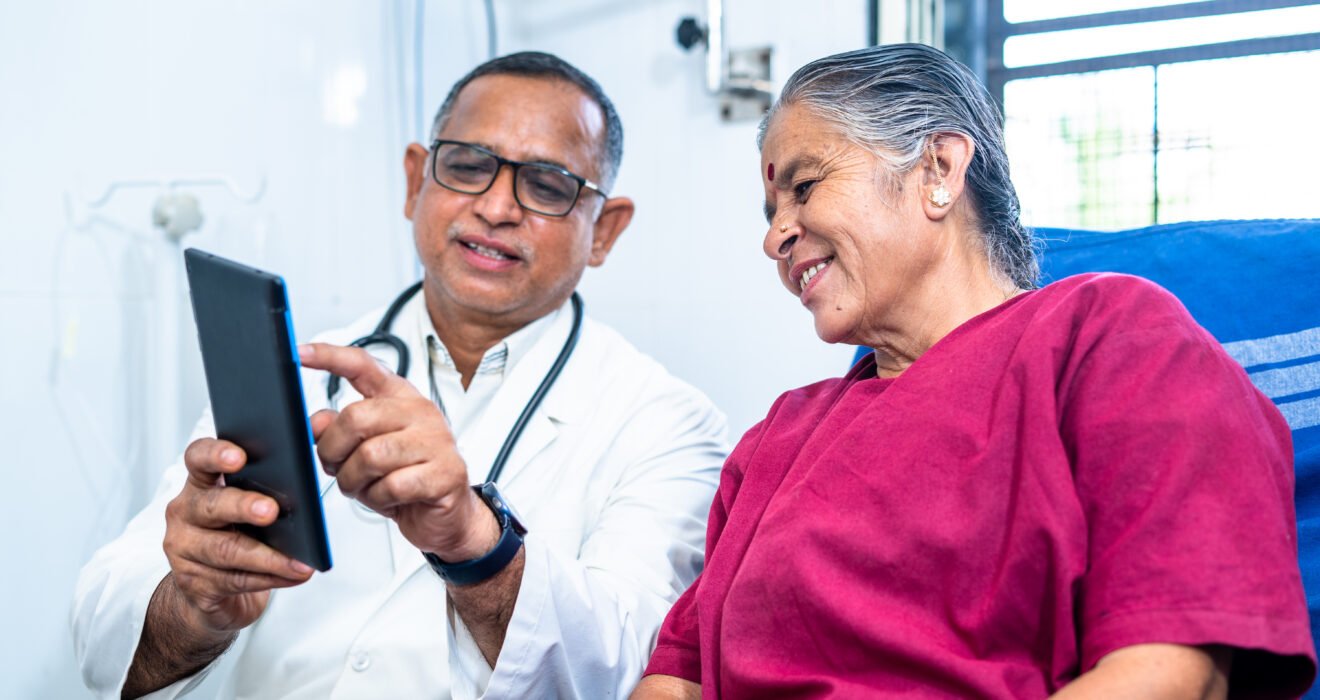
How to Create a Safe Home Environment for Elderly Parents
Elderly Home Safety
As parents grow older, their healthcare needs can change significantly. Reduced mobility, weaker balance, vision changes, chronic health conditions, and difficulty with everyday activities can make familiar surroundings more challenging to navigate.
For families caring for elderly parents at home, creating a safe environment is therefore an important part of everyday care.
A safe home does not necessarily require major renovation. Small changes such as improving lighting, removing obstacles, organising medicines, making bathrooms safer, and keeping essential items within easy reach can make daily life more comfortable and reduce avoidable risks.
For families in Kolkata, where many elderly parents continue to live at home while their children manage work and other responsibilities, proper home safety can become especially important.
In this guide, we will discuss practical ways to create a safer and more comfortable home environment for elderly parents.
Why Home Safety Is Important for Elderly People
Ageing can bring changes in balance, muscle strength, vision, hearing, coordination, and mobility. These changes can make everyday activities such as walking to the bathroom, climbing stairs, getting out of bed, or reaching for household items more difficult.
A home that feels completely safe to a younger person may therefore present challenges for an elderly family member.
Common household risks include:
- Slippery floors
- Loose carpets and rugs
- Poor lighting
- Cluttered walkways
- Difficult-to-reach shelves
- Unsafe stairs
- Wet bathroom floors
- Poorly positioned furniture
- Loose electrical wires
- Medicines kept without proper organisation
Identifying these risks early can help families create a more supportive living environment.
1. Keep Walkways Clear
One of the simplest ways to improve elderly home safety is to keep frequently used walking areas clear.
Furniture, electrical wires, boxes, shoes, stools, and other objects can become obstacles, particularly for someone who uses a walking stick or has difficulty maintaining balance.
Make sure:
- Hallways remain clear
- Electrical cables are secured
- Shoes are stored properly
- Small furniture is not placed in walking paths
- Frequently used rooms are easy to access
- Rugs do not slide across the floor
Try to keep a clear route between the bedroom, bathroom, kitchen, living area, and other frequently used spaces.
2. Improve Lighting Throughout the House
Good lighting becomes increasingly important as people age.
Poorly lit stairs, hallways, bedrooms, and bathrooms can make it harder to identify obstacles and navigate safely, particularly at night.
Consider installing adequate lighting in:
- Stairways
- Hallways
- Bathrooms
- Bedroom entrances
- Kitchen areas
- Main entrances
- Frequently used walking routes
A night light near the bed and along the route to the bathroom can also make nighttime movement easier.
The goal is to ensure that elderly family members do not have to walk through dark areas to reach essential parts of the house.
3. Make the Bathroom Safer
The bathroom deserves special attention because water and smooth surfaces can increase the risk of slipping.
Depending on the person’s mobility and health needs, families may consider:
- Non-slip bathroom mats
- Grab bars
- Shower chairs
- Adequate lighting
- Easy-to-reach toiletries
- Raised toilet seats where appropriate
- Hand-held shower arrangements
Keep the floor dry whenever possible and avoid unnecessary objects around the bathroom entrance.
Any equipment should be selected according to the individual’s needs, preferably with appropriate professional guidance.
DearDr’s existing home-care information also highlights bathroom safety measures such as non-slip flooring, grab bars, adequate lighting, shower chairs, and raised toilet seats for people with mobility challenges.
4. Make Stairs and Steps Safer
Stairs can be challenging for elderly people with reduced balance or muscle strength.
If your parent regularly uses stairs, check whether:
- Handrails are available
- Steps are well lit
- Stairways are free from objects
- Floor surfaces are not slippery
- Step edges are clearly visible
- Frequently needed items can be moved to the same floor
If possible, reduce unnecessary movement between floors.
For an elderly person with significant mobility limitations, families should discuss suitable mobility and care arrangements with a healthcare professional.
5. Arrange the Bedroom for Easy Access
The bedroom should be organised so that essential items are within comfortable reach.
Keep items such as:
- Water
- Medicines
- Glasses
- Mobile phone
- Tissues
- Emergency contact information
- Walking aids
in an easily accessible location.
The bed should also allow the person to get up and sit down comfortably.
Avoid placing loose objects, wires, or furniture where they could interfere with movement around the bed.
A bedside light can also be useful, particularly for elderly people who wake during the night.
6. Organise Medicines Properly
Many elderly people take multiple medicines for different health conditions.
Poor medication organisation can lead to confusion, missed doses, or accidental duplication.
Families should maintain a clear medication schedule and keep medicines in a safe, organised location.
It can be helpful to maintain a record containing:
- Medicine names
- Dosage instructions
- Timing
- Prescribing doctor’s details
- Important medication-related instructions
- Emergency contact information
However, families should not change medication doses or stop prescribed medicines without consulting the treating doctor.
If managing multiple medicines becomes difficult, professional healthcare support can help families maintain a more organised care routine.
7. Keep Frequently Used Items Within Reach
Elderly people should not regularly need to climb stools, stretch excessively, or bend down to access everyday items.
Keep commonly used objects at a comfortable height.
This may include:
- Kitchen utensils
- Clothes
- Toiletries
- Drinking water
- Medicines
- Phone chargers
- Frequently used food items
Move rarely used items to higher or lower storage areas instead.
The idea is simple: make everyday activities easier without requiring unnecessary reaching, bending, or climbing.
8. Pay Attention to Flooring
Flooring plays an important role in elderly home safety.
Smooth, wet, uneven, or slippery surfaces can make walking difficult.
Families should check for:
- Loose rugs
- Uneven flooring
- Wet areas
- Broken tiles
- Floor mats that move easily
- Objects left on the floor
If rugs are necessary, use options that remain securely in place.
Immediately clean up spills and keep commonly used walking areas dry.
9. Make the Kitchen More Senior-Friendly
The kitchen can also present several risks for elderly family members.
If your parent prepares food independently, keep frequently used items within easy reach and avoid storing heavy objects in high cabinets.
Also pay attention to:
- Gas or electrical appliances
- Sharp objects
- Hot surfaces
- Wet floors
- Heavy cookware
- Difficult-to-operate containers
If memory problems or cognitive changes are present, families may need to take additional precautions around cooking appliances.
10. Keep Emergency Information Easily Accessible
Every elderly household should have an easily accessible list of important medical information.
This can include:
- Emergency contact numbers
- Family member contacts
- Doctor’s contact details
- Current medicines
- Known allergies
- Existing medical conditions
- Health insurance information
- Nearby hospital information
A printed copy can be kept in an easily accessible location, while family members can also maintain a digital copy.
This information can be particularly useful when an emergency occurs and another family member or caregiver needs to quickly understand the person’s medical background.
11. Consider Mobility and Assistive Equipment
Some elderly people may require additional support for walking, bathing, sleeping, or performing daily activities.
Depending on individual needs, healthcare professionals may recommend suitable equipment such as:
- Walking aids
- Wheelchairs
- Shower chairs
- Grab bars
- Patient beds
- Other medical support equipment
The correct equipment depends on the person’s condition, mobility, and care requirements.
Families should avoid purchasing or using specialised equipment solely based on assumptions. Professional assessment can help determine what is actually appropriate.
DearDr provides medical equipment support as part of its broader home healthcare services.
12. Create a Comfortable and Accessible Living Space
Safety is not only about preventing accidents. An elderly-friendly home should also support independence and comfort.
Try to arrange the home so that your parent can perform as many everyday activities as safely possible.
For example:
- Keep frequently used rooms easily accessible
- Place seating where rest is possible
- Avoid unnecessary furniture
- Maintain comfortable room temperatures
- Keep communication devices nearby
- Make important household items easy to locate
A familiar and organised environment can make daily routines easier for elderly family members.
13. Pay Attention to Changes in Mobility
Sometimes a previously safe home becomes unsuitable because the elderly person’s health or mobility has changed.
For example, your parent may begin:
- Walking more slowly
- Using furniture for support
- Avoiding stairs
- Feeling unsteady
- Struggling to stand from a chair
- Needing assistance with bathing
- Having difficulty completing normal household activities
These changes should not simply be dismissed as part of ageing.
A healthcare professional can help assess the situation and determine whether additional support, physiotherapy, medical evaluation, or home-care assistance may be appropriate.
When Should Families Consider Professional Home Healthcare?
Creating a safe home environment is important, but some elderly people require more than environmental changes.
Professional home healthcare may be useful when an elderly family member needs regular assistance with:
- Daily activities
- Medication management
- Mobility
- Personal care
- Recovery after illness or surgery
- Chronic condition management
- Regular health monitoring
- Nursing support
DearDr provides home healthcare services including doctor home visits, nursing assistance, physiotherapy support, medical equipment support, home ICU setup, pathological assistance, medicines at home, palliative care, ambulance support, and telemedicine-related services.
Professional home nursing can be particularly helpful when family members cannot remain with an elderly parent throughout the day. DearDr’s home nursing service includes support from ANM and GNM nursing professionals according to patient requirements.
A Simple Elderly Home Safety Checklist
Before considering your home senior-friendly, walk through the house and check:
Living Area
- Are walking paths clear?
- Is furniture positioned safely?
- Are rugs secure?
Bedroom
- Is there adequate lighting?
- Can the person reach essential items easily?
- Is the route to the bathroom clear?
Bathroom
- Is the floor non-slip?
- Are grab bars required?
- Is adequate lighting available?
Kitchen
- Are frequently used items easy to reach?
- Are appliances safe to operate?
- Are sharp and hot objects appropriately managed?
Stairs
- Are handrails available?
- Is the staircase well lit?
- Are the steps free of objects?
Medical Care
- Are medicines organised?
- Are emergency contacts available?
- Is important medical information easily accessible?
Regularly reviewing these areas can help families identify problems before they become serious.
Creating a Safer Home Is Part of Better Elderly Care
Caring for elderly parents is about more than arranging medical treatment when they become unwell. It also involves creating an environment where they can move, rest, eat, and carry out daily activities as safely and comfortably as possible.
Small changes such as improving lighting, removing obstacles, making bathrooms safer, organising medicines, and keeping essential items within reach can make a meaningful difference.
However, every elderly person’s needs are different. Someone with limited mobility, chronic illness, post-surgery needs, or more complex healthcare requirements may need additional professional support.
For families in Kolkata, combining a safe home environment with appropriate home healthcare can make elderly care more manageable while allowing parents to remain in familiar surroundings.
Get Reliable Home Healthcare Support with DearDr
DearDr is focused on making healthcare more accessible at home, with services designed to support patients and families in the comfort of their own surroundings. Its services include doctor home visits, nursing assistance, physiotherapy, medical equipment support, pathology assistance, medicines at home, palliative care, ambulance support, and other home healthcare solutions.
If your elderly parent needs professional healthcare assistance at home in Kolkata, DearDr can help families explore suitable care options based on their individual requirements.
For elderly care, doctor visits, nursing support, and other home healthcare needs, contact DearDr and discuss the right care solution for your family.