
After Discharge Care: What Happens Once a Patient Leaves the Hospital?
Patient Care After Discharge at Home
Discharge from the hospital is often seen as the end of treatment—but in reality, it is just the beginning of recovery. Many families assume that once a patient returns home, normal life can resume. However, the post-hospitalization phase is one of the most critical stages, where proper care, monitoring, and support can make a significant difference in recovery outcomes.
Why Post-Discharge Care Is So Important
After leaving the hospital, patients are often still weak, vulnerable, and at risk of complications. Without proper care, there is a higher chance of:
- Re-infection or relapse
- Medication errors
- Delayed healing
- Emergency readmission
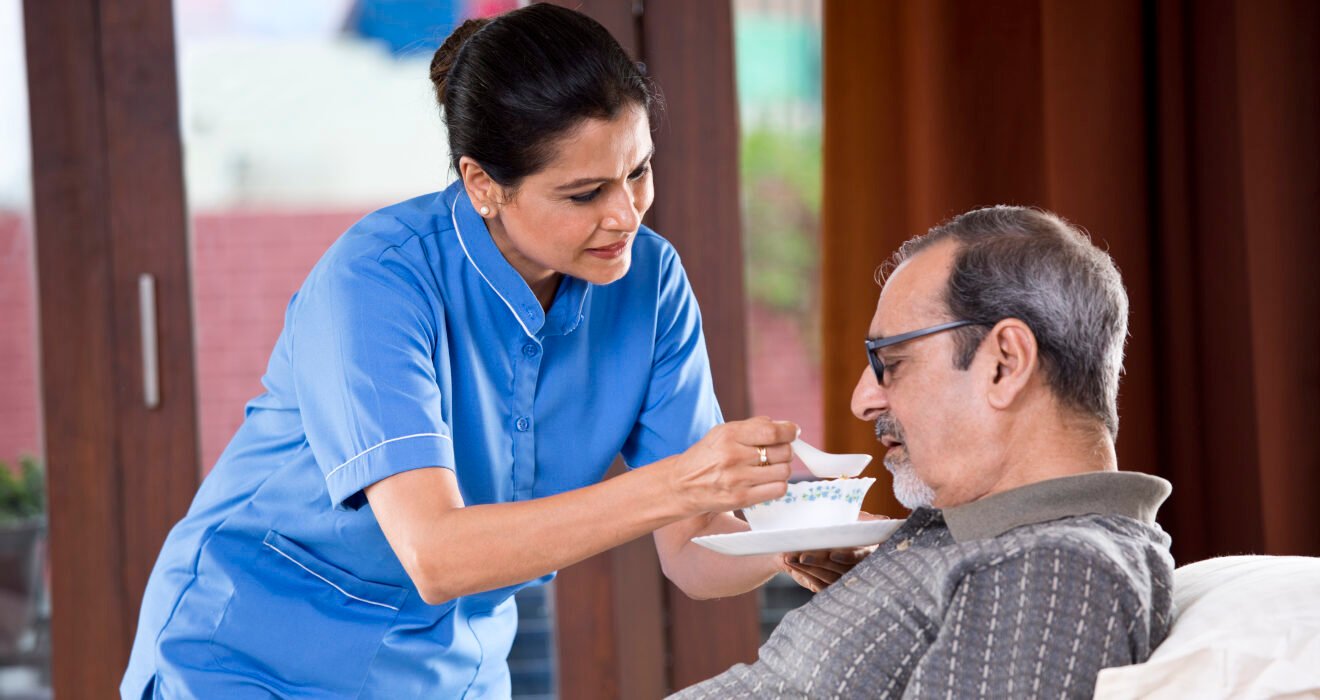
Home healthcare plays a vital role here, ensuring continuity of care beyond hospital walls. In fact, post-hospitalization patients are one of the largest groups relying on home healthcare services for recovery and monitoring.
What Patients Really Need After Discharge
1. Continuous Medical Monitoring
Patients recovering from surgery, illness, or chronic conditions require regular monitoring of vital signs, symptoms, and overall progress. Early detection of any issue can prevent serious complications.
2. Medication Management
Following the correct medication schedule is crucial. Missing doses or taking incorrect medication can slow recovery or worsen the condition.
3. Wound Care and Nursing Support
For patients with surgical wounds, injuries, or infections, professional care is essential to avoid complications and ensure proper healing.
4. Assistance with Daily Activities
Simple tasks like bathing, dressing, or moving around can be difficult after discharge. Support with daily activities helps patients recover safely and comfortably.
5. Rehabilitation and Recovery Support
Physiotherapy, mobility assistance, and guided exercises are often needed to regain strength and independence.
Challenges Families Often Face
While families want to provide the best care, managing post-discharge needs can be overwhelming. Common challenges include:
- Lack of medical knowledge
- Time constraints due to work
- Emotional stress
- Difficulty in handling emergencies
This is where professional home healthcare becomes essential.
The Role of Home Healthcare After Discharge
Modern healthcare is shifting beyond hospitals, with more patients recovering at home through structured care systems.
With professional support, patients benefit from:
- Personalized care plans
- Regular health monitoring
- Reduced hospital visits
- Faster and more comfortable recovery
At DearDr, post-discharge care is designed to provide holistic support, combining medical expertise with compassionate caregiving—ensuring patients heal safely in the comfort of their homes.
Benefits of Recovering at Home
Home-based recovery is not just convenient—it is often more effective. It can:
- Reduce unnecessary hospital visits by up to 65%
- Support faster recovery cycles
- Lower the risk of infections
- Provide emotional comfort in a familiar environment
When Should You Consider Professional Care?
You should consider post-discharge home care if your loved one:
- Has undergone surgery or major treatment
- Requires regular monitoring or nursing care
- Has mobility issues or is bedridden
- Needs rehabilitation or long-term care
A Smarter Way to Heal
Recovery does not end at discharge—it requires the right environment, the right support, and the right care. A structured post-hospitalization plan ensures that patients regain strength, avoid complications, and return to normal life with confidence.
Conclusion
At DearDr, we understand that healing continues long after leaving the hospital. Our expert team is dedicated to providing reliable, compassionate, and professional care right at your doorstep—so your loved ones can recover safely and comfortably.