
Post Hospitalization Care Kolkata
In order to promote a safe, seamless, and full recovery, post-hospitalization care refers to the organized support and medical help that a patient receives after being released from the hospital.
It fills the gap between acute care in a hospital and self sufficient recuperation at home. Patients may experience problems, delayed rate of recovery, or even readmission in the absence of this transitional care.
Why Post-Hospitalization Care Matters
Continuity of Medical Supervision: Following discharge, patients may still require close monitoring of their vital signs, drug administration, and wound care tasks that may be challenging to handle without expert assistance. These needs are satisfied by post hospitalization care.
Avoiding Readmission and Preventing Complications: The risk of infections, problems, or setbacks that frequently result in re-hospitalization is decreased by proper care, which includes wound dressing, medication adherence, and rehabilitation.
Assistance with Daily Living & Recovery Activities: Patients may be frail, immobile, or unable of performing everyday activities such as dressing, bathing, getting around, preparing meals, etc. These are aided by post-hospital care, which maintains dignity and expedites healing.
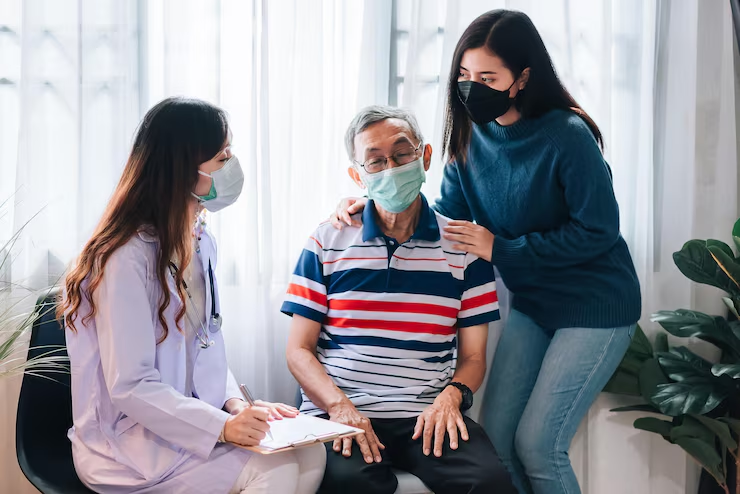
Rehabilitation and Holistic Recovery: Patients frequently require physiotherapy, specialized diet and nutritional support, and mental support following major illnesses or surgeries in order to regain their strength and independence.
Emotional and Mental Health: Making the move from the hospital to the house might be difficult. In order to make patients feel comfortable and supported, post-hospitalization care includes companionship, emotional support, and mental health care.
What DearDr Offers for Post-Hospitalization Care (at Home)
When you choose DearDr’s post- hospitalization care, you receive a variety of services designed to support your recuperation at home: home visits by licensed physicians and nurses for follow-up treatment, medication management, wound care, medical examinations, and condition monitoring.Assistance with personal care, bathing, clothing, mobility support, wound dressing and management, and general supervision particularly crucial just after discharge—is provided by trained nurses and caregivers.
At-home physiotherapy care includes mobility assistance, therapeutic exercises, and rehabilitation as necessary to recover physical function, strength, and coordination.
Medication management and delivery: Making sure patients receive their prescription drugs on schedule and encouraging compliance a crucial component of a speedy recovery.
Home based medical equipment support and home-ICU setup (if necessary): DearDr provides equipment delivery and setup to enable care at home for patients who might need continuous medical assistance.
Flexibility & convenience: Care in a home environment rather than hospital, decreasing stress for patients and families especially suitable for older, post-surgical, or mobility-limited individuals.
When Post-Hospital Care Is Most Appropriate
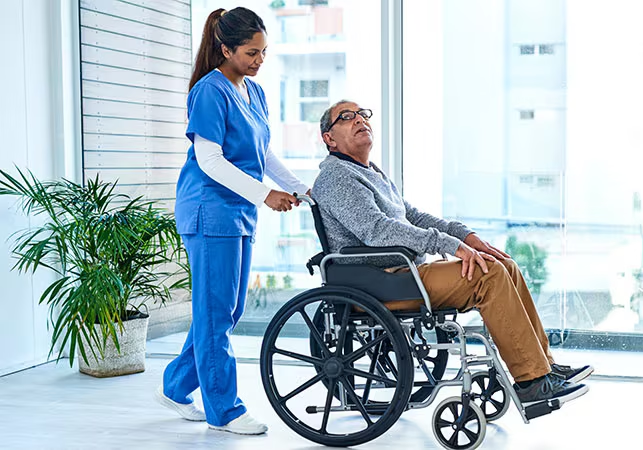
Care after hospitalization is particularly crucial for people who have had complicated operations needing wound care and close observation, or major surgery (orthopaedic, heart, abdominal, etc.). are elderly, weak, or have restricted mobility, and they could find it difficult to take care of themselves and do everyday duties after being released from the hospital.
Instead of going back to full activity right away, you need physiotherapy or rehabilitation (for mobility, strength, or functional recovery) need constant medical attention, particularly if they are taking several drugs, require wound care, or are at risk of complications.
Instead of spending a long time in the hospital, choose the emotional security and comfort of being at home. Additionally, home-based treatment lessens the strain on hospital resources.
In conclusion, post-hospitalization care is essential for healing and goes beyond “aftercare.”
In order to convert hospital recovery into complete home recovery, post-hospitalization care is essential. Patients may experience problems, delayed recovery, or even re-admissions in the days and weeks following release if they do not receive adequate support.
Post-hospitalization care guarantees ongoing medical monitoring, personal care, rehabilitation, and emotional support in a secure and comfortable setting, particularly when offered by expert services like DearDr.
A Short Guide for Families: Choosing the Right Post-Hospitalization Care
When your loved one returns home after a hospital stay, the right care makes all the difference in recovery. Here’s what every family should check:
- Medical Support Availability
Ensure that qualified doctors and trained nurses are available for regular monitoring, wound care, injections, and medication management.
- Trained Caregivers for Daily Needs
Look for caregivers who can help with:
- Bathing, dressing & hygiene
- Walking & mobility support
- Feeding & basic personal care
- Physiotherapy & Rehabilitation
If recovery involves movement or strength rebuilding, home physiotherapy is essential for faster and safer healing.
Appointment
- Emergency & Follow-up Support
Choose a service that offers:
- 24×7 emergency coordination
- Doctor on-call support
- Regular health follow-ups
- Home Medical Equipment
Confirm if they provide hospital beds, oxygen, monitors, wheelchairs, or home ICU setups if required.
- Transparent Pricing
Always ask for:
- Clear package details
- No hidden costs
- Flexible short-term and long-term plans
- Emotional & Mental Support
Healing is not only physical. Companionship, reassurance, and emotional care greatly improve recovery—especially for seniors.
Final Tips for Families
✅ Don’t rush the decision—choose a care provider with verified experience and trained staff
✅ Always ask for trial support before committing long-term
✅ Keep a daily recovery tracker for medicines, vitals, food, and therapy
✅ Stay connected with the doctor even after discharge
✅ Emotional assurance and a positive home environment speed up healing
✅ The right post-hospital care today can prevent major complications tomorrow